



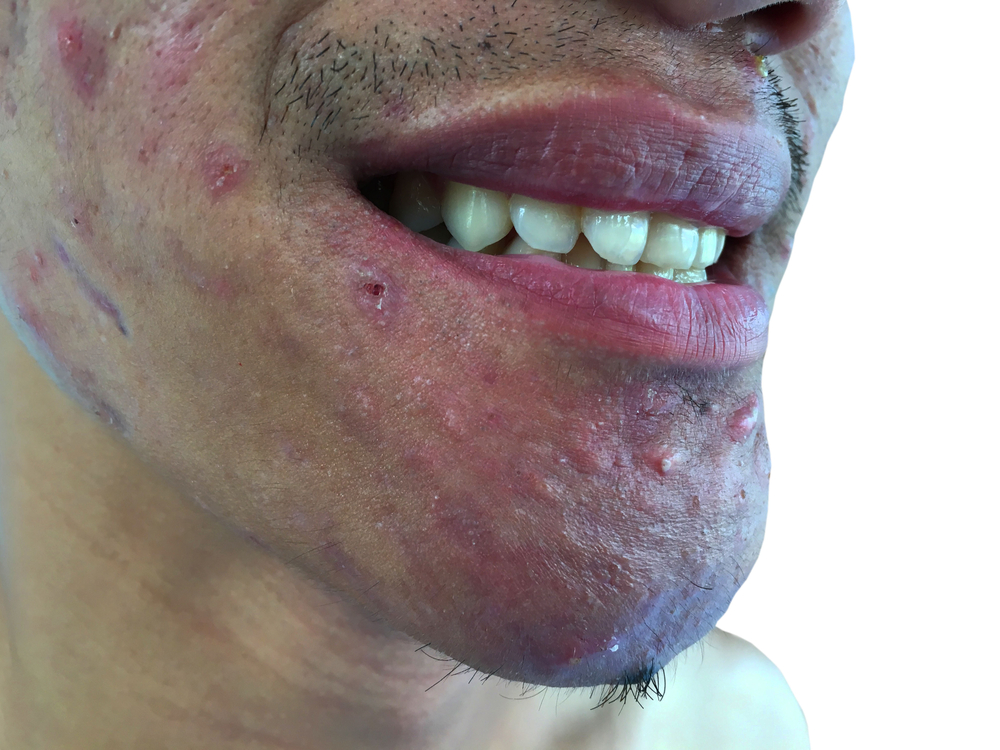
Get Rid of Your Acne Scars
No one likes waking up to a pimple or an acne breakout. Most individuals are relieved when the pimple heals, and their clear skin is restored.
However, there are also patients that not only have to endure the redness and inflammation of acne, but also the hyperpigmentation and scarring that it can leave behind.
Fortunately, there are creams, gels and treatments that can help.
Here are seven dermatologist-recommended methods to prevent and treat acne scars and hyperpigmentation.
1. Avoid Popping Pimples to Prevent Breakouts and Acne Scars
As tempting as it may be to try to express pus from a blemish, this can worsen acne and may lead to scarring or additional breakouts.
At-home extractions cause bacteria to spread and infect surrounding areas of skin. They can also push bacteria deeper and result in scarring.
2. Wear Sunscreen Daily to Prevent Worsening of Acne, Hyperpigmentation, and Scarring
Exposure to ultra-violet rays can lead to photo damage that may worsen the appearance of acne and acne scars.
Top dermatologists recommend a daily application of a broad-spectrum sunscreen with at least a 30 SPF. Another option is using a moisturizer that contains sunscreen.
3. Spot Treat Acne With Salicylic Acid
Salicylic acid has anti-inflammatory and bacteria-fighting properties that can help heal pimples and prevent hyperpigmentation and scarring.
It is important to use this treatment sparingly, as some patients may experience irritation.
4. Get a Prescription for Azelaic Acid to Reduce Hyperpigmentation
Azelaic acid reduces the production of melanin and can improve hyperpigmentation caused by acne or sun-exposure.
See a board-certified dermatologist for an evaluation and prescription of this topical gel-cream product.
5. Block Hyperpigmentation With Niacinimide
Daily application of niacinimide blocks pigment from reaching to outer layers of skin and reduces melanin supply.
As a result, it helps fade existing dark spots and prevents additional hyperpigmentation from developing.
6. Stimulate Collagen and Elastin With Microneedling
Microneedling uses very fine needles to create small punctures in the skin’s surface.
These microinjuries stimulate the growth of collagen and elastin to remodel the skin and repair acne scars and hyperpigmentation.
For additional information on preventing and treating acne scars and hyperpigmentation, please call Cultura Dermatology & Plastic Surgery today to schedule an appointment.

Dr. Eliot Battle
Dr. Eliot Battle, CEO of Cultura Dermatology, is a global leader in cosmetic dermatology and laser innovation. His Harvard research pioneered “color-blind” lasers, making treatments safe for all skin tones. A sought-after expert featured in TIME, Oprah, and The New York Times, he continues to advance inclusive, cutting-edge dermatological care.
These too might interest you
August 14, 2026
Everything I Learned About Skincare Before I Was 10
Alexis Battle grew up in and around Cultura Dermatology, the Washington, DC practice founded by her father, Dr. Eliot Battle. A version of this…
READ ARTICLE
March 10, 2026
Why Technology Designed for Skin of Color Matters, and How Cultura Leads the Innovation
Safe, effective aesthetic care for skin of color requires more than good intentions. It requires the right technology. Melanin-rich skin responds differently to heat…
READ ARTICLE
February 11, 2026
The Science Behind Complexion Blending: Why This Technology Continues to Lead Skin of Color Treatment
Uneven skin tone, dark spots, and discoloration are among the most common concerns for patients with melanin-rich skin. These concerns can be difficult to…
READ ARTICLE