

5 FAQ’s About Laser Acne Treatment
Acne can affect individuals throughout adulthood and produce blackheads, whiteheads, papules, pustules, and cysts.
Not only are these bumps unattractive, but they can also leave behind hyperpigmentation and scarring once they heal.
Fortunately, a laser acne treatment can target all of these concerns for a healthier and more even complexion.
If you’re experiencing active acne or secondary effects, keep reading for five FAQs about laser acne treatment.
1. Can Lasers Really Combat Acne, Scarring, and Hyperpigmentation?
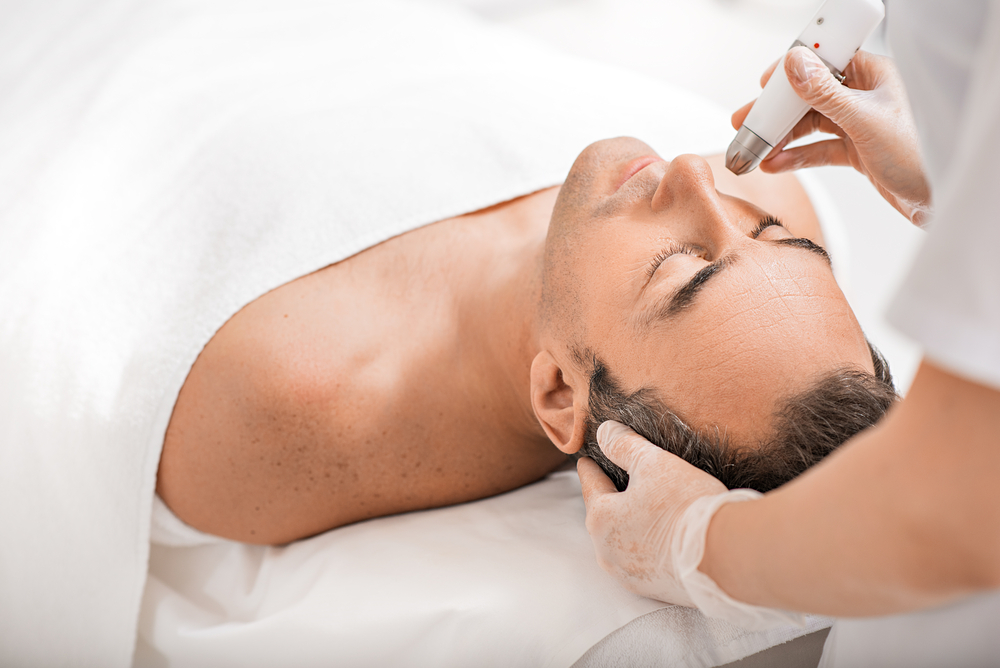
Laser acne treatments are a safe and effective way to address inflammation, redness, swelling, scarring, and discoloration associated with acne.
More specifically, these devices use light-based energy to zap acne-causing bacteria, reduce oil production, remove dead skin cells, smooth acne scars, and diminish hyperpigmentation.
2. What Options Do Patients Have for Laser Acne Treatment?
The most appropriate laser acne treatment often depends on the patient’s concerns.
IPL (intense pulsed light) is an excellent option for active acne, redness, and hyperpigmentation, while skin resurfacing with a non-ablative fractional laser or a CO2 laser may be better suited for acne scars.
3. How Do I Know If I’m a Good Candidate for a Laser Acne Treatment?
Laser acne treatments can benefit a wide-range of patients and a number of aesthetic issues. In order to determine each individual’s candidacy, a thorough consultation and examination of the skin must be conducted.
During this time, it’s important to discuss patient goals, current medications, underlying or associated medical conditions like PCOS, and past acne treatments.
Additionally, a skin analysis may be performed to identify the type of acne scarring present and the degree of damage.
4. Are There Any Side Effects of a Laser Acne Treatment?
A laser acne treatment does not require incisions, anesthesia, or downtime.
That being said, patients may experience temporary redness and swelling, which like looks and feels like a mild sunburn.
They should also limit sun exposure for two weeks before and after their procedure and wear a daily broad-spectrum sunscreen with at least a 30 SPF.
5. What Kind of Results Can I Expect?
After undergoing a laser acne treatment, patients note that their skin is smoother, clearer, and more even and that scarring and hyperpigmentation have significantly decreased.
In fact, a series of three-to-five sessions can yield an up to an 80 percent reduction in acne-related issues.
To learn more about laser acne treatment, please call our office today to schedule a consultation.

Dr. Eliot Battle
Dr. Eliot Battle, CEO of Cultura Dermatology, is a global leader in cosmetic dermatology and laser innovation. His Harvard research pioneered “color-blind” lasers, making treatments safe for all skin tones. A sought-after expert featured in TIME, Oprah, and The New York Times, he continues to advance inclusive, cutting-edge dermatological care.
These too might interest you
March 10, 2026
Why Technology Designed for Skin of Color Matters, and How Cultura Leads the Innovation
Safe, effective aesthetic care for skin of color requires more than good intentions. It requires the right technology. Melanin-rich skin responds differently to heat…
READ ARTICLE
February 11, 2026
The Science Behind Complexion Blending: Why This Technology Continues to Lead Skin of Color Treatment
Uneven skin tone, dark spots, and discoloration are among the most common concerns for patients with melanin-rich skin. These concerns can be difficult to…
READ ARTICLE
January 13, 2026
The 2026 Guide to Laser Hair Removal for Skin of Color
Laser hair removal offers lasting convenience and smoother skin, but for patients with deeper skin tones, the treatment has historically raised concerns about safety….
READ ARTICLE